Overview
For more than 20 years the Computer Vision Group Jena has been developing methods and algorithms, which allow for automatic analysis of different kinds of sensor data including camera images, LiDAR scans and time-series data. Over the years, the group formed a particular interest in image understanding tasks like semantic segmentation and fine-grained classification, as well as in learning concepts like the life-long learning scenario. Additionally, there are always close co-operations with research institutes in Jena and partners from German industry. Currently, there is on the one hand a focus on developing computer vision and machine learning algorithms for different application areas. On the other hand, there are multiple projects centred around the topic of causal reasoning, which becomes increasingly relevant for building intelligent and explainable systems. Former projects and older research directions of the group can be found in the previous research section
Projects
Bridging the Gap – Mimics and Muscles
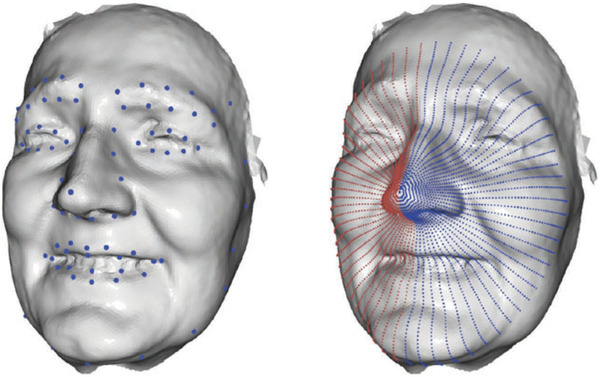
We want to measure factors for facial palsy more objectively by exploiting machine learning methods. In the current project we aim to model the relationship between surface and underlying muscles using 3D sensors. Read More

Causal Discovery for Soil-Plant-Climate Cycle
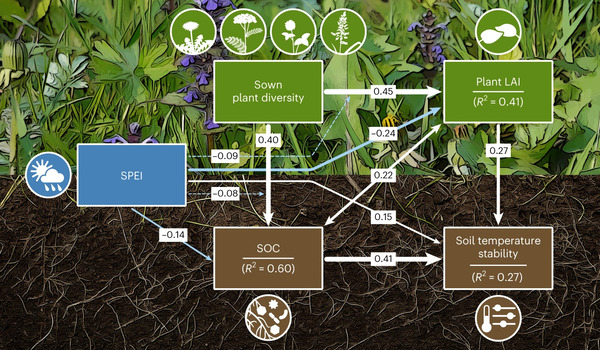
This project addresses critical limitations in applying causal machine learning to complex, real-world systems. The initiative originated in ecology, specifically aiming to uncover the causal drivers of plant diversity effects on abiotic environments. Read More

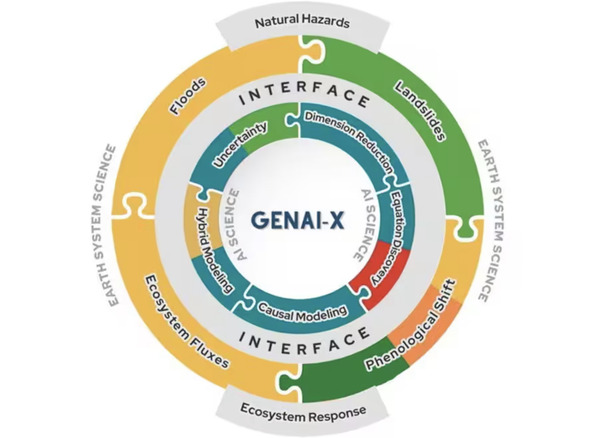
GENAI-X – Uncertainty Quantification
This project aims to develop uncertainty quantification (UQ) methods that address fundamental challenges in Earth observation data and enable reliable, trustworthy AI predictions in Earth and environmental science systems. Read More

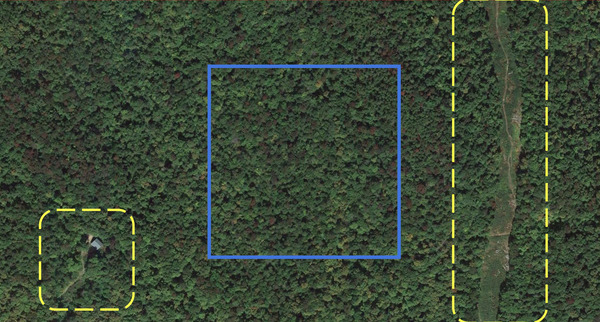
Harnessing Computer Vision and Machine Learning for a Renewed Cartography of Human Impact on Landscapes
This project focuses on using computer vision and machine learning to develop a renewed cartography of human impact on landscapes from remote sensing imagery. Read More

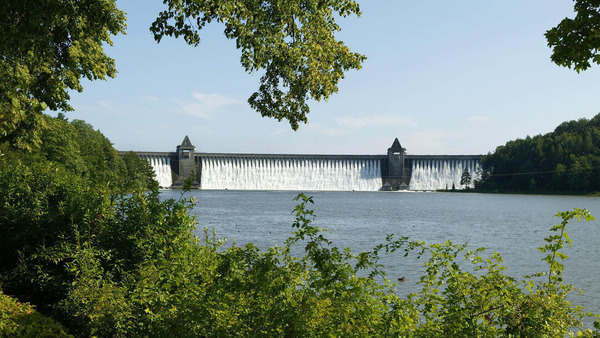
KI4KI – Künstliche Intelligenz für Klimaresilientes Infrastrukturmonitoring
The BMWK-funded KI4KI project aims to develop a continuous, satellite-based monitoring system for large critical infrastructures, such as dams and bridges, to assess their resilience against climate change. Read More

LEPMON: Monitoring Biodiversity of Moths (Lepidoptera) Using Automated Camera Traps and Artificial Intelligence
The aim of the project is to develop a practical system for nationwide, automated monitoring of nocturnal insects in order to reliably document population changes. Read More

PhenEye: Having an eye on the fingerprint of global change: observing phenology using automated monitoring
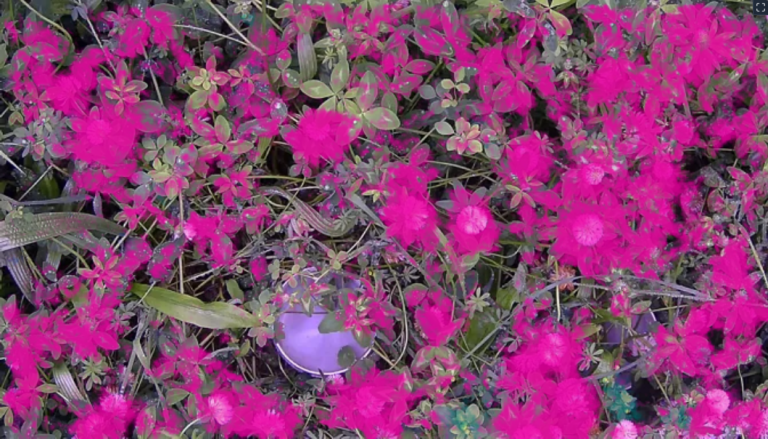
We develop methods to automatically determine the plant species composition and their phenology from images of herbaceous plant communities. Read More

Sensorized Surgery: Optically Guided Precision Surgery Through Real-time AI-interpreted Multimodal Imaging with Continuous Sensory Feedback
Our task in the Computer Vision Group is to develop high-performance semantic segmentation models that accurately distinguish tumors from surrounding tissues, maintaining robustness against distribution shifts arising from varying clinical conditions. Read More

uCAIR – Expert System for Raman Reconstruction
As part of uCAIR the Computer Vision Group focuses on data analysis and AI-driven modelling, including the development of embeddings for Raman signatures, spectral classification, and an intelligent expert system. Read More
Areas

Fine-grained Visual Classification with VLMs
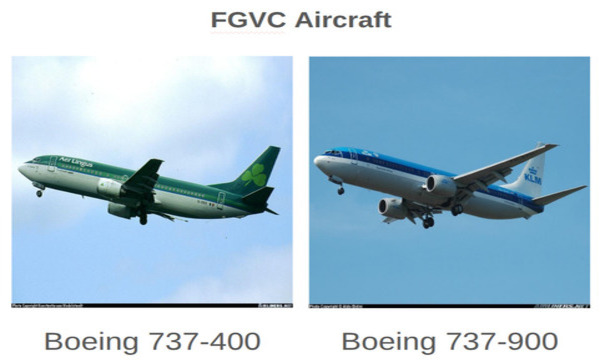
Fine-grained visual classification (FGVC) aims to distinguish between highly specific subcategories within a broader category, such as differentiating between various car models or bird species. Read More

Physical Knowledge Integration into Deep Learning
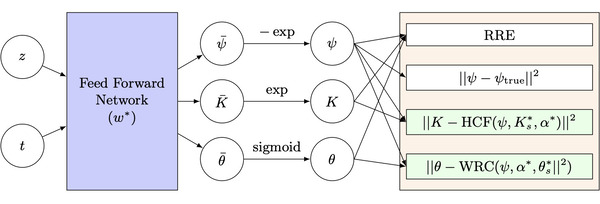
Modern neural networks are powerful function approximators, but in many physical systems we also have strong prior structure: governing equations, conservation laws, symmetries, and well-tested empirical relations. Read More

Understanding Deep Learning
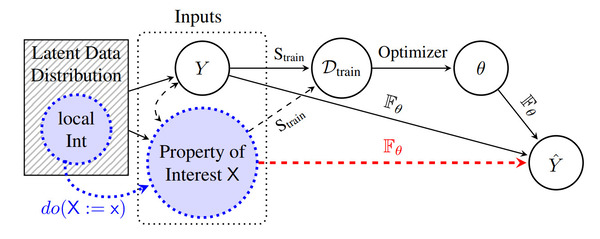
While modern deep learning models yield remarkable results when trained on abundant data, they fundamentally remain “black boxes.” This opacity poses a significant barrier to their wide-scale adoption in safety-critical sectors, such as medicine. Read More
Further Activities

CamTrapAI: International Workshop Series on Camera Traps, AI, and Ecology
We are organizing annual workshops worldwide to bring together people interested in developing or working with AI algorithms for analyzing image data and video footage recorded by camera traps. Read More

ELLIS Unit Jena: Part of the European Laboratory for Learning and Intelligent Systems (ELLIS)
We are collaborating with various scientists from different research disciplines and institutes connected via the ELLIS network and the ELLIS Unit Jena. Read More

InsectAI: Using Image-based AI for Insect Monitoring and Conservation
The InsectAI COST action will support insect monitoring and conservation at the national and continental scale in order to understand and counteract widespread insect declines. Read More